Timeline – Windows
Windows is an OS developed from Microsoft for the X86 and X64 PC infrastructure.
There are still some other versions but the list would be endless long when I would write every codename Microsoft used as also many projects were never released…
| Codename / Preliminary name | Final Name |
| Interface Manager | Win 1.01 |
| Sparta | WfW 3.1 |
| NT Beta | NT 3.1 |
| Daytona | NT 3.5 |
| Chicago Alpha / Chicago Betas | Windows 95 |
| Nashville | Windows 95 B |
| Cairo | NT 4.0 |
| Memphis | Windows 98 |
| NT 5.0 | Windows 2000 |
| Neptune | never released / merged to Whistler |
| Georgia | Windows ME |
| Whistler | Windows XP |
| .NET Server | Windows 2003 Server |
| Longhorn / Vista Beta | Windows Vista |
| Longhorn Server | Windows Server 2008 |
| Blackcomb / Vienna | Windows 7 |
| Windows Server 8 | Windows Server 2012 |
| Blue | Windows 8.1 |
| Threshold Server / Windows Server 2015 | Windows Server 2016 |
| Server 19H1 / Windows Server 2016 R2 | Windows Server 2019 |
| Threshold (1511) / Redstone |
Windows 10 |
|
Windows 11 |
|
 |
|
There are still some other versions but the list would be endless long when I would write every codename Microsoft used as also many projects were never released…
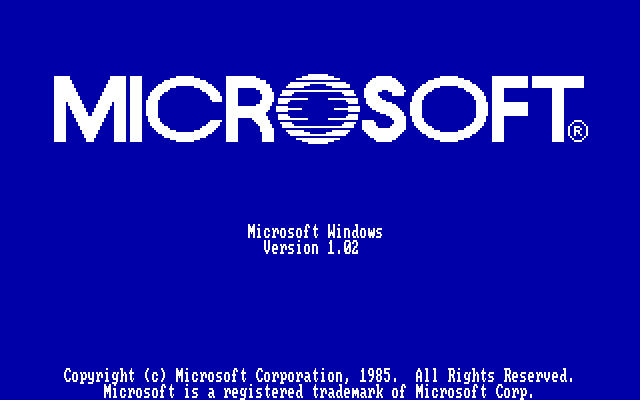
Introduction In the early era of personal computing, Microsoft Windows began to establish its presence. The inaugural version, Windows 1.0, was launched in 1985. This marked a significant advancement from the text-based MS-DOS system that had dominated for years. Windows 1.0 introduced a graphical user interface (GUI), simplifying the way…
read more...
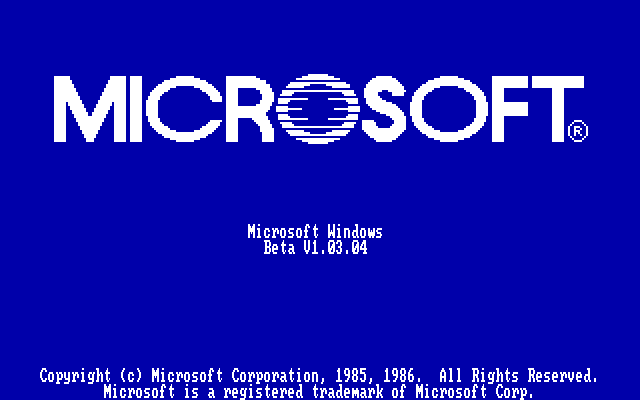
Introduction In the early era of personal computing, Microsoft Windows began to establish its presence. The inaugural version, Windows 1.0, was launched in 1985. This marked a significant advancement from the text-based MS-DOS system that had dominated for years. Windows 1.0 introduced a graphical user interface (GUI), simplifying the way…
read more...
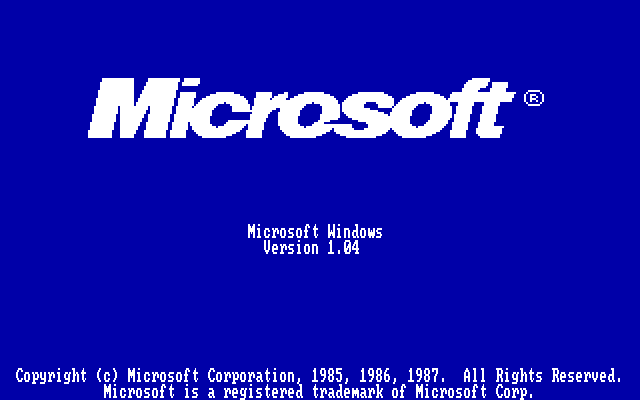
Introduction In the early era of personal computing, Microsoft Windows began to establish its presence. The inaugural version, Windows 1.0, was launched in 1985. This marked a significant advancement from the text-based MS-DOS system that had dominated for years. Windows 1.0 introduced a graphical user interface (GUI), simplifying the way…
read more...
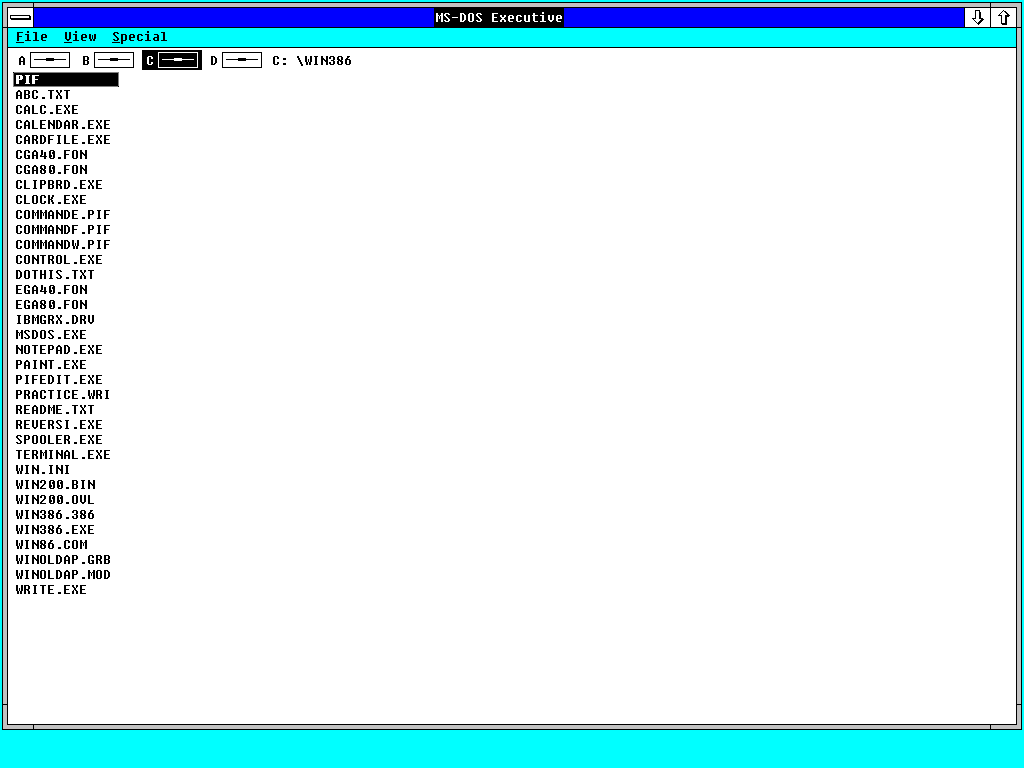
Introduction With the release of Windows 2.0 in 1987, Microsoft enhanced the operating system further. This version introduced overlapping windows, enabling users to run multiple programs simultaneously. It also added new applications such as Microsoft Paint and WordPad, increasing its versatility and user-friendliness. The logo from Windows 1.0 was retained…
read more...
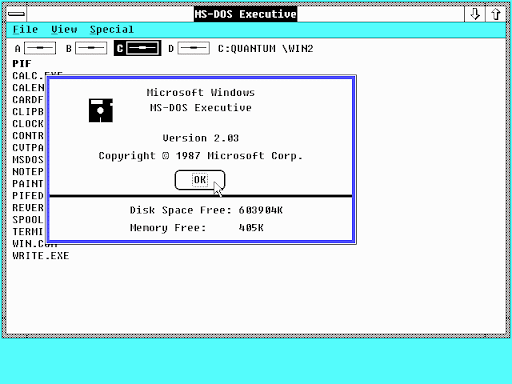
Introduction With the release of Windows 2.0 in 1987, Microsoft enhanced the operating system further. This version introduced overlapping windows, enabling users to run multiple programs simultaneously. It also added new applications such as Microsoft Paint and WordPad, increasing its versatility and user-friendliness. The logo from Windows 1.0 was retained…
read more...
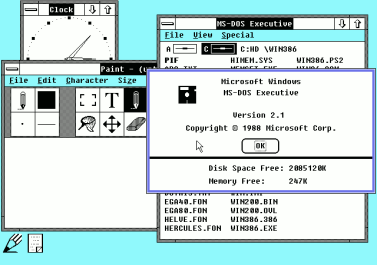
Introduction With the release of Windows 2.0 in 1987, Microsoft enhanced the operating system further. This version introduced overlapping windows, enabling users to run multiple programs simultaneously. It also added new applications such as Microsoft Paint and WordPad, increasing its versatility and user-friendliness. The logo from Windows 1.0 was retained…
read more...
Introduction With the release of Windows 2.0 in 1987, Microsoft enhanced the operating system further. This version introduced overlapping windows, enabling users to run multiple programs simultaneously. It also added new applications such as Microsoft Paint and WordPad, increasing its versatility and user-friendliness. The logo from Windows 1.0 was retained…
read more...
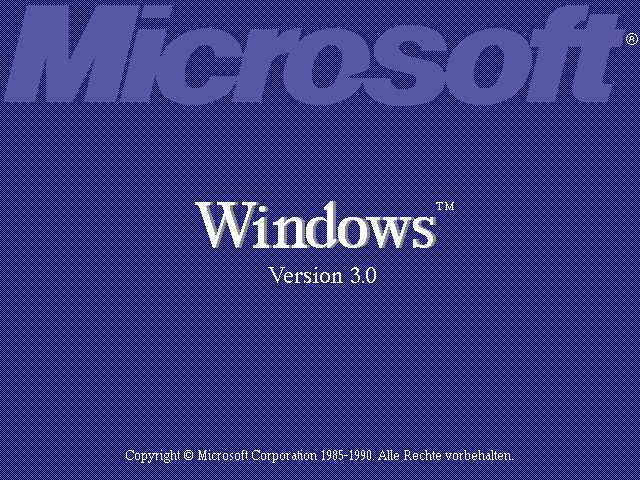
Introduction Windows 3.0, released in 1990, marked a significant milestone for Microsoft. This version was the first to gain widespread popularity, largely due to its enhanced performance and support for more advanced hardware. Windows 3.0 also introduced the iconic Program Manager and File Manager, which became staples of the Windows…
read more...
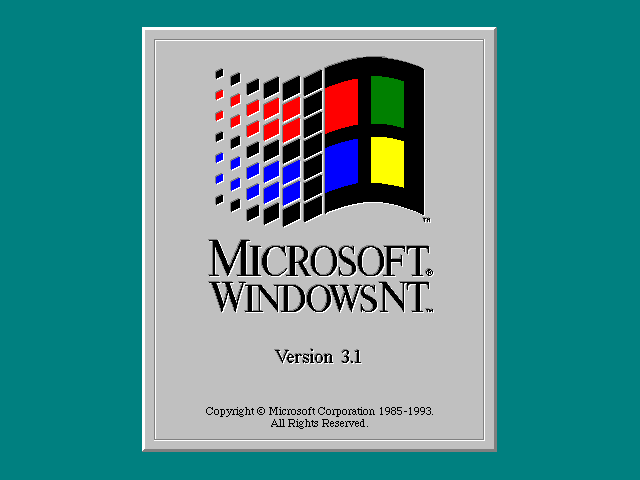
Introduction Windows NT, introduced by Microsoft on July 27, 1993, marked a significant shift in the Windows operating system’s architecture and capabilities. Designed as a powerful 32-bit operating system, it supported preemptive multitasking, multi-user functionality, and multiprocessing, distinguishing it from its 16-bit predecessors based on MS-DOS. Windows NT’s hybrid kernel…
read more...
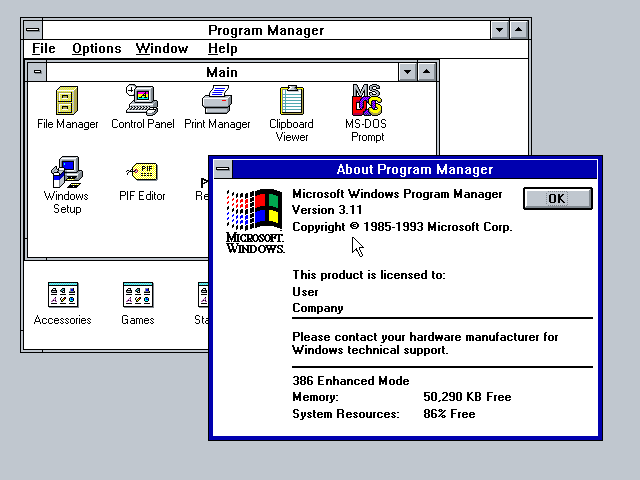
Introduction In 1992, Microsoft released Windows 3.1, further refining the operating system with new features like TrueType fonts and support for multimedia applications. Windows 3.1 was a tremendous success, solidifying Microsoft’s position as a leader in personal computing. It was the last version of Windows based on the MS-DOS platform,…
read more...
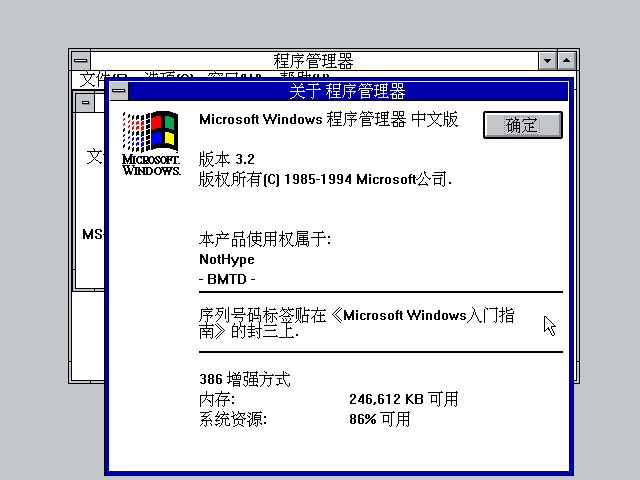
Introduction Windows 3.2, also known as Windows 3.2 Chinese Edition, was released on November 22, 1993, and officially to manufacturing on April 27, 1994. This update was specific to the Chinese version of Windows 3.1, addressing issues related to the complex Chinese writing system. Windows 3.2 was typically sold by…
read more...
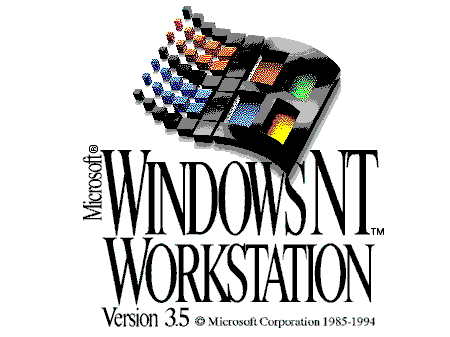
Introduction Windows NT, introduced by Microsoft on July 27, 1993, marked a significant shift in the Windows operating system’s architecture and capabilities. Designed as a powerful 32-bit operating system, it supported preemptive multitasking, multi-user functionality, and multiprocessing, distinguishing it from its 16-bit predecessors based on MS-DOS. Windows NT’s hybrid kernel…
read more...
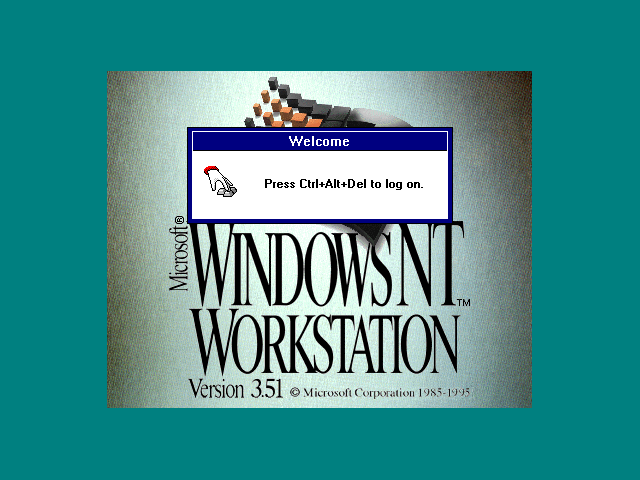
Introduction Windows NT, introduced by Microsoft on July 27, 1993, marked a significant shift in the Windows operating system’s architecture and capabilities. Designed as a powerful 32-bit operating system, it supported preemptive multitasking, multi-user functionality, and multiprocessing, distinguishing it from its 16-bit predecessors based on MS-DOS. Windows NT’s hybrid kernel…
read more...
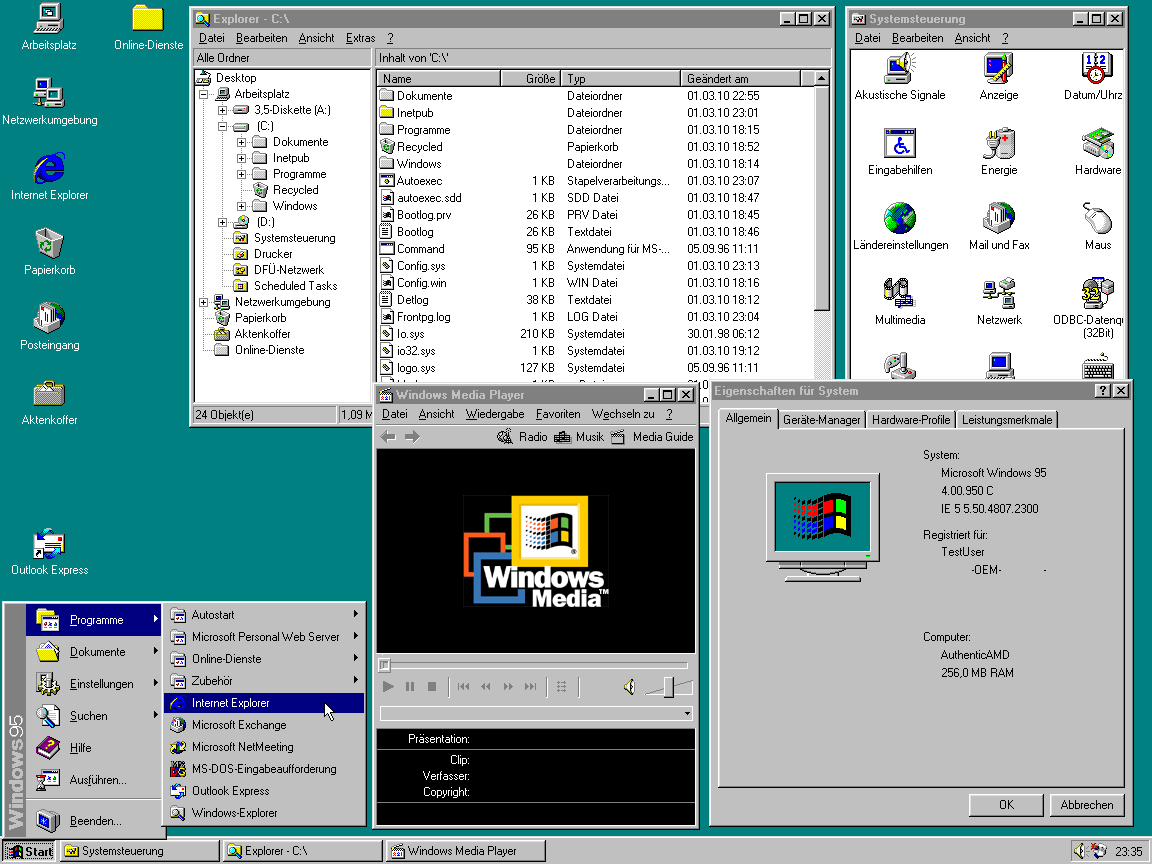
Introduction The journey of Microsoft Windows continued with the release of Windows 95, a revolutionary step that brought significant changes and improvements. Launched in August 1995, Windows 95 introduced the Start button and taskbar, features that would become synonymous with the Windows operating system. It also marked the transition from…
read more...